
3. April 2026
The moment that changes everything
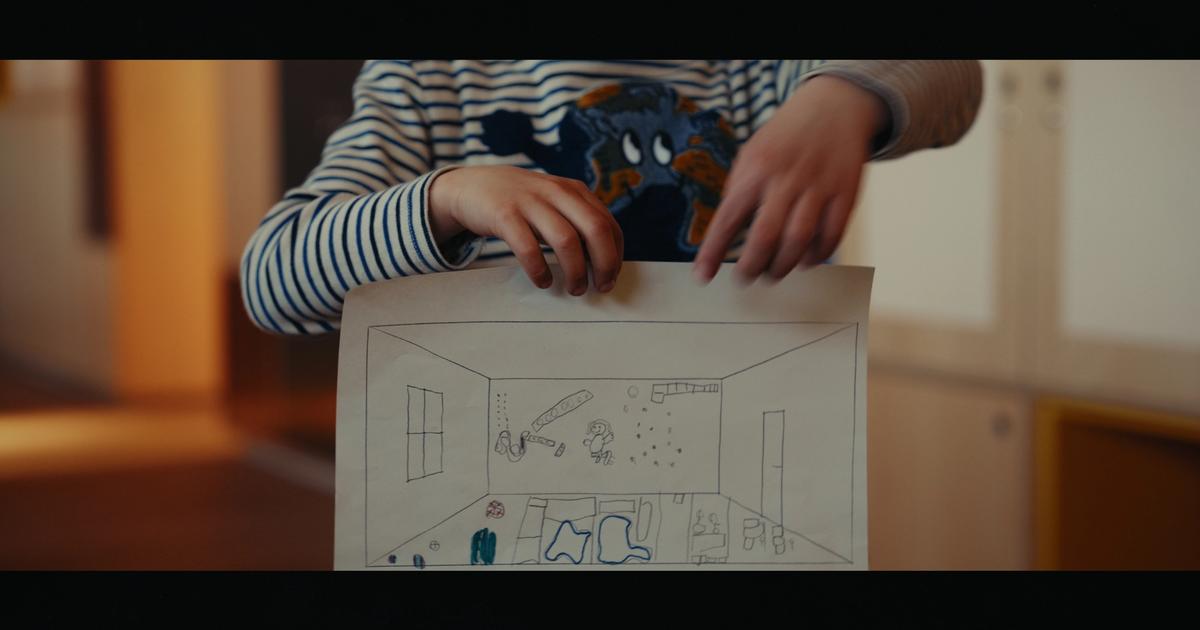
Pity does not move people to act. Compassion requires something more: showing the pain and the possibility together, so your audience does not just understand the problem but feels the answer taking shape.
There is a scene in a film I just finished for a youth institution in Belgium. A young caregiver walks into a room to wake up a boy in the morning. She shakes his shoulder gently. He spins around immediately, fist raised.
That one moment does more than any statistic about vulnerable youth ever could. You feel it in your chest. You understand, without anyone telling you, what this child has been through.
But here is what I have learned after years of making documentary films for mission-driven organisations. If you stop there, you have made a pity film. And pity does not move people to act. It makes them uncomfortable. It makes them close the tab.
Compassion is different. Compassion requires something more.
The difference between pity and compassion
Pity happens when we see someone suffering and feel helpless on their behalf. It creates distance. A kind of paralysis.
Compassion happens when we see someone clearly, feel their reality fully, and then watch them move through it with some kind of agency or dignity. It creates connection. A pull toward involvement.
The difference is not about softening the truth. It is about showing the whole truth. The pain and the possibility.
In the De Steiger film, after the boy with the fist, I take the audience somewhere else entirely. I show children drawing their dream rooms. A corner for painting. A space for a brother to read. And then I show those drawings becoming (partially) real, furniture being built, living rooms and kitchens being renovated, a caregiver still showing up every morning.
The audience does not just understand the problem. They feel the answer taking shape. That is what changes a viewer into someone who wants to support.
The neurochemistry behind this
I think about three states when I am building a film for an organisation.
The first is curiosity and engagement. A strong, specific hook pulls someone into the story. Not a mission statement. Not an overview. One person, one moment, one specific real thing that makes you want to keep watching.
The second is empathy. A moment of genuine difficulty that drops the audience into the character's reality. The caregiver seeing children arrive for a whole week with one set of underwear and no toothbrush. You do not explain this. You show it and trust the audience to feel it.
The third is oxytocin. This is the belonging and connection state. People showing up for each other. Care made visible. In the De Steiger film, this is the architect who sleeps in a room like the children's rooms so he can really understand what they are living with before he designs anything. It is the children's voices describing their dreams out loud while you watch their drawings becoming furniture.
When you move an audience through all three of these states, they do not feel manipulated. They feel moved. And that is exactly what your organisation needs if you want people to stay, give, and believe in what you are building.
Where most impact films go wrong
Most organisations lead with the problem because the problem is urgent and real. That makes complete sense. But when a film is built almost entirely around suffering, a few things happen.
First, the audience builds a kind of emotional armor. They have seen too many films like this. They know what is coming. They brace for it.
Second, without showing agency, the people in your film become symbols of a problem rather than characters in a story. That is not fair to them. And it is not effective for you.
Third, there is no emotional release. The audience absorbs the difficulty but has nowhere to go with it. So they carry it out of the room and set it down somewhere.
A film that shows both the real difficulty and the real momentum does something different. It gives the audience a role. It says: here is what is happening, here is what is changing, and here is where you come in.
A practical question for your next project
If you are working on a film or a communication campaign for your organisation, here is the question I would ask you to sit with.
Where does your story spend most of its time? In the pain, or in the possibility?
That is not a question about optimism versus honesty. It is a question about whether your audience leaves the room feeling connected and compelled, or heavy and helpless.
The goal is not to make people sad. The goal is to make them feel compassion and support. Those are not the same thing. And the films that understand the difference are the ones that actually move people to act.